Chicago Loop versus West Loop Office Space for Attorneys
By Amata Office Centers • February 13, 2026
Choosing between office space Chicago Loop and office space in West Loop isn’t just a real estate decision. It’s a daily operations choice that affects client access, staff commute time, your firm’s image, and even how often you’ll actually use the space.
For attorneys and professional services firms, the right neighborhood can make client meetings easier, reduce wasted time between court, transit, and conference rooms, and support business development after hours. The wrong fit can quietly drain energy through long walks, awkward parking, or a setting that doesn’t match your client base.
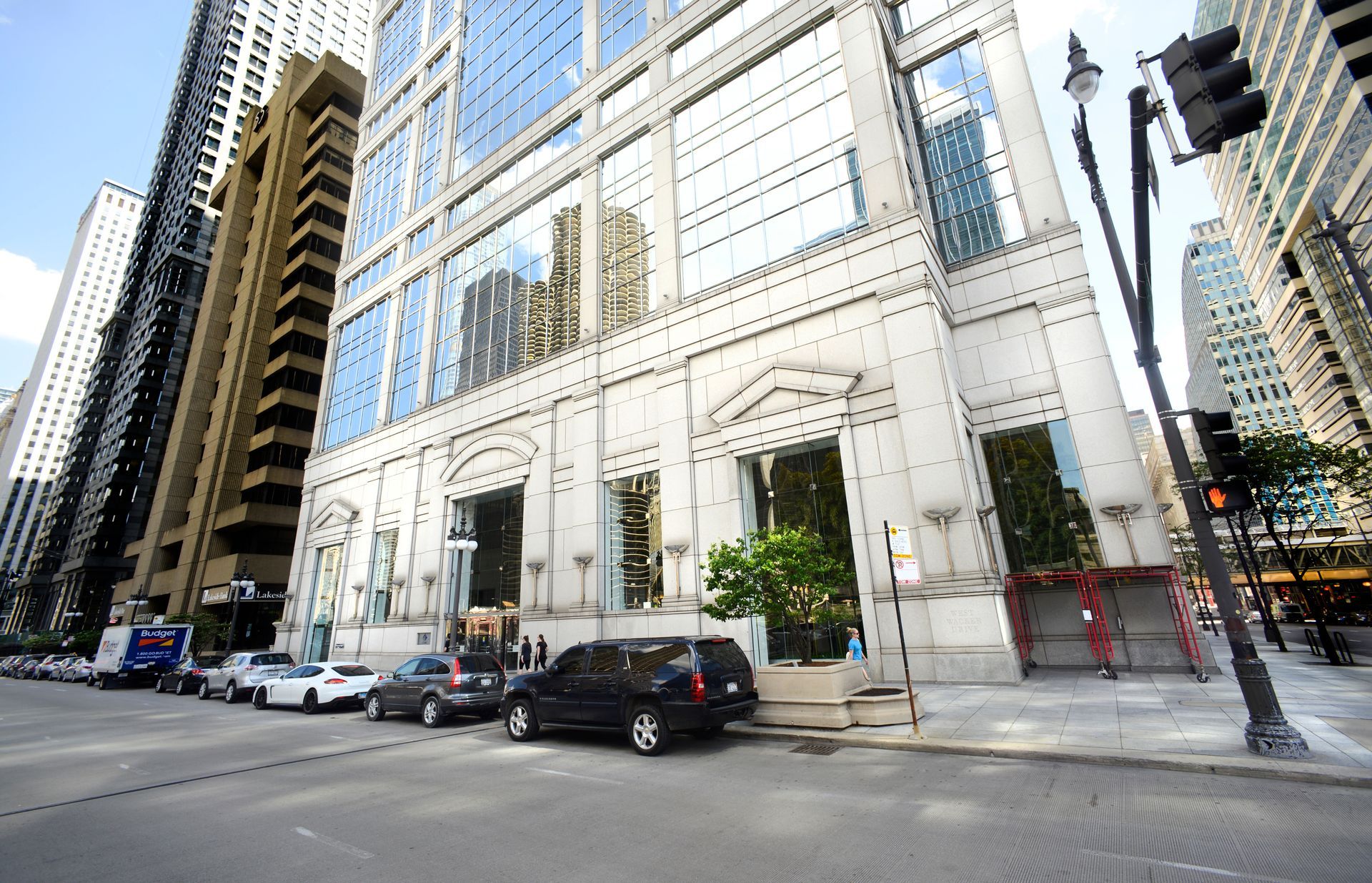
If you want flexibility without committing to a long lease, Amata Office Centers is built for the way lawyers work, with offices, meeting space, and support services across Chicago. Start by reviewing Amata office space in Chicago Loop options and locations, then compare them to what your team needs day to day.
One-sentence takeaway: the best choice depends on client needs, team habits, and budget.
How the Loop and West Loop feel day to day (work hours, lunch, and client visits)
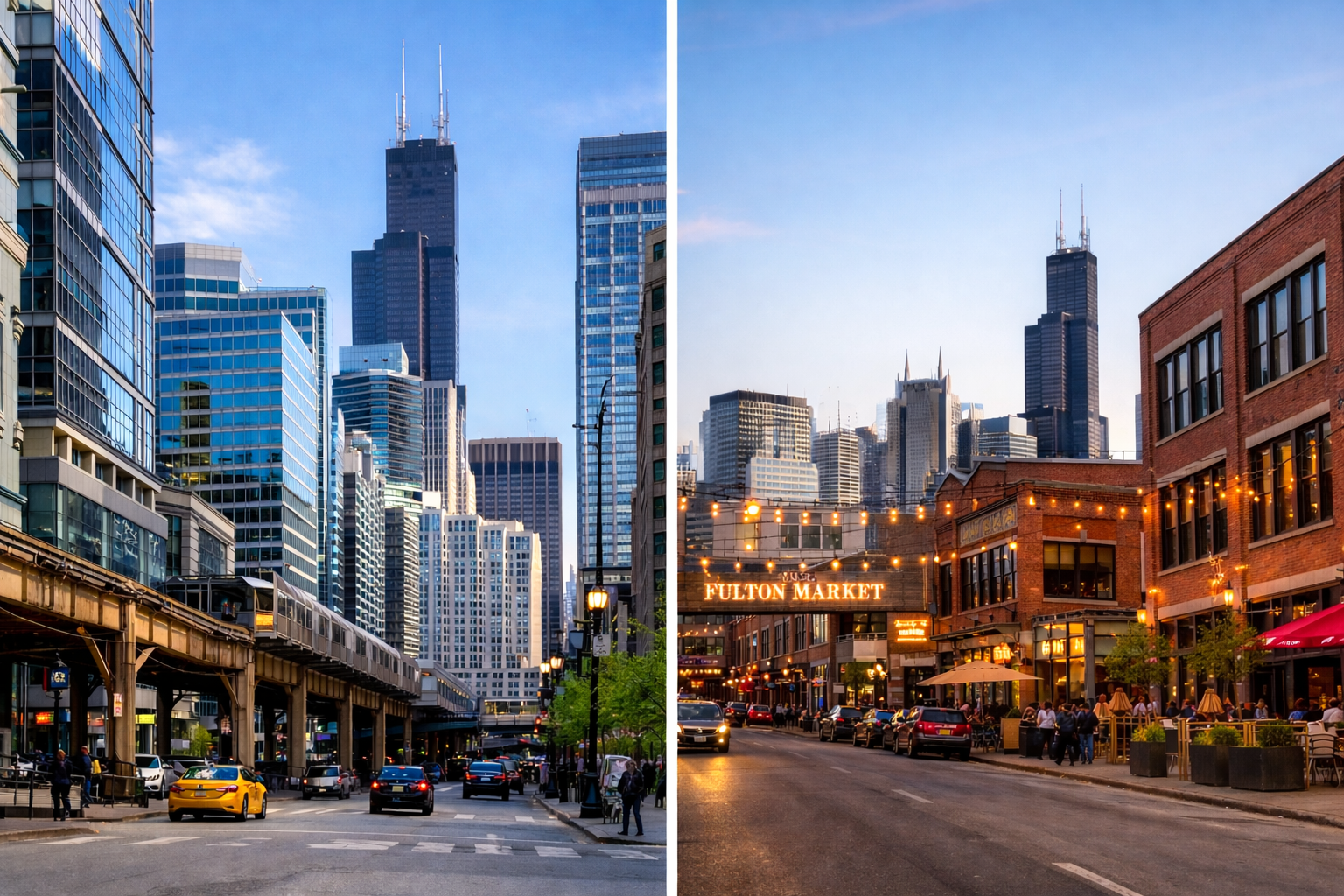
From 8 a.m. to 6 p.m., the Loop and West Loop can feel like two different workplaces, even when the square footage looks similar on paper. Think of the Loop like a well-run courthouse calendar: structured, predictable, and built around getting in and out efficiently. The West Loop feels more like a long client lunch that turns into a referral, less formal, more social, and often more fluid.
For client-facing teams, that “feel” matters. Clients notice it when they arrive, and your staff feels it every time they grab lunch, meet a courier, or step out for a quick call. Attorneys also have a different kind of clock than most businesses. Your calendar can change fast, and your office has to keep up without friction.
Here’s the practical fit, in plain terms:
- The Loop tends to fit best for : litigation-heavy practices, firms with frequent courthouse needs, teams that rely on Metra and CTA transfers, and professionals who want a traditional business setting.
- The West Loop tends to fit best for : transactional work with founder clients, firms that do a lot of relationship-based growth, consulting and advisory teams, and groups that want a newer, more casual client experience.
The good news is that neither choice is “right” in a vacuum. The better question is, what does your workweek actually look like?
Chicago Loop: classic business core with courthouse and transit access
The Loop is Chicago’s classic business core. During the workday, the pace is steady and business-forward. The streets feel purposeful, and many buildings are set up for high-volume, professional traffic, which can be a plus when you need clients to show up on time and feel like they’re in the right place.
For attorneys, proximity themes matter. Being near courthouses, government offices, major banks, and established corporate headquarters can reduce travel time and keep your day from getting chopped into pieces. It also supports the kind of “serious” first impression some clients still prefer, especially for litigation, regulated industries, and high-stakes disputes.
Client access is another Loop strength. Many visitors can reach you via CTA trains and Metra lines, with parking options available nearby (details vary building by building). If you have clients coming from the suburbs or out of town, that transit map can do a lot of work for you.
A few Loop meeting scenarios that tend to work well:
- A morning client meeting before a hearing, with minimal travel between stops.
- A mediation prep session where everyone arrives by train and walks a few blocks.
- A deposition day that needs a quiet, private office feel with reliable directions.
- A bank or corporate contact who expects a downtown business address.
West Loop: modern, social, and built around food, tech, and creative energy
The West Loop often feels newer and more casual during work hours. Many offices are in modern buildings or updated spaces, and the street life can be more lively throughout the day. The dress code tends to be less formal in many companies nearby, which can influence how clients experience the area when they visit.
Client expectations can also differ. West Loop often aligns with startup, private equity, marketing, design, and SaaS-adjacent work, where a more relaxed setting doesn’t reduce credibility. Instead, it can signal that you’re current, accessible, and plugged into the business community your clients live in.
Lunch culture is a real factor here, not as a trend, but as a work tool. When you can turn a meeting into a short walk to lunch, it becomes easier to maintain relationships and extend conversations without scheduling a separate event.
A few networking moments that happen naturally in the West Loop:
- A quick intro at a coffee spot after a pitch meeting.
- Post-meeting lunch that turns into a referral exchange.
- An industry event after 5 that’s close enough to actually attend.
- A spontaneous “grab a drink” that helps move a relationship forward.
Cost, space, and lease flexibility: what you’re really paying for
When people compare office space by neighborhood, they often focus on rent and stop there. For law firms, the bigger issue is usually predictable monthly spend . You want to know what your office will cost when your caseload changes, when you add one associate, or when you need a larger conference room for a week of client meetings.
In both the Loop and the West Loop, pricing is typically shaped by the class of the building, the age of the space, included amenities, and overall demand. A polished lobby, strong security desk presence, and well-run building management can affect value just as much as square footage. The same is true for the “soft” costs: time lost waiting on elevators, clients who struggle to park, or staff who dread the commute.
Flexibility is where many firms feel the sharpest difference between traditional leases and serviced office options. If your work is cyclical (litigation waves, deal surges, trial prep), scaling up and down without a major build-out can protect your margins.
Hidden costs to ask about before you decide:
- Internet and phone : Is it included, and what’s the real speed and reliability?
- Conference rooms : How many hours are included, and what are overage fees?
- Parking validation : Can you validate client parking, and at what cost?
- After-hours HVAC : What happens when you work late or on weekends?
- Furniture : Is it included, and what’s the replacement policy?
The best comparison isn’t “Loop vs West Loop.” It’s “what do I pay for, and what problems does it remove?”
Loop offices often win on convenience, but watch for older-building tradeoffs
The Loop can offer efficient layouts, strong transit access, and an address many clients recognize instantly. For some practices, that credibility is practical, not cosmetic. It can reduce friction with conservative clients, out-of-town stakeholders, and anyone who expects a classic downtown setting.
At the same time, some Loop buildings are older. That doesn’t mean they’re bad, but it does mean you should look closely. Older mechanical systems can create comfort issues, elevator wait times can add up, and dated common areas can affect the first impression, even if your suite is spotless.
Use this quick tour checklist to protect your time:
- Lobby feel : Does it feel professional, clean, and easy to navigate?
- Security and guest flow : Is there a clear check-in process for clients?
- Restroom condition : A small detail clients remember.
- Sound control : Can you hear hallway traffic from inside the suite?
- Conference access : Are rooms available when you need them, not just “sometimes”?
For legal teams, the building’s daily function matters as much as the view.
West Loop offices can feel newer and more amenity-rich, with demand pressure
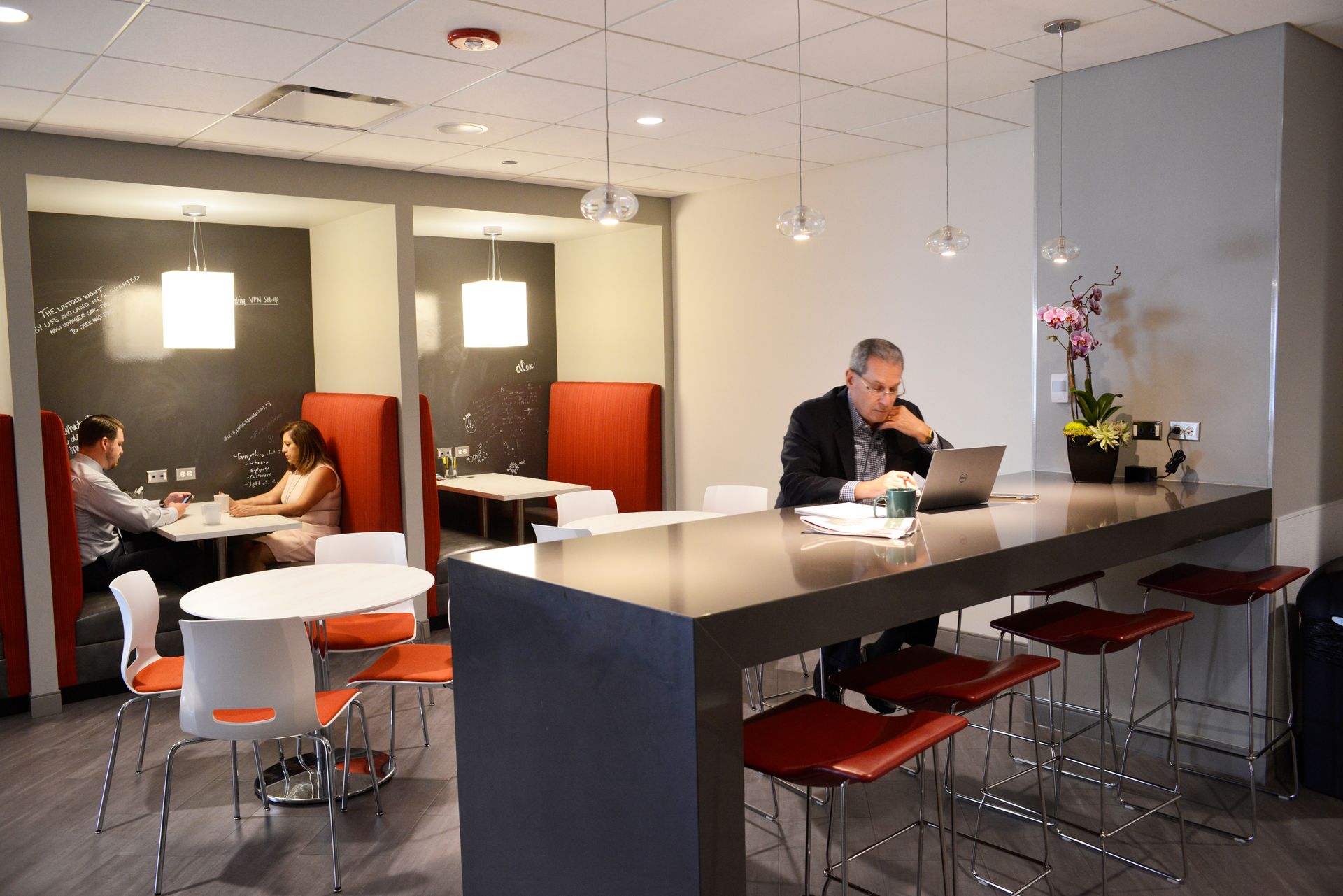
West Loop spaces often feel more modern, with updated finishes and common areas that are designed for meetings, collaboration, and client comfort. In some buildings, amenities and on-site perks can make the workday easier for staff, which helps with retention when you’re competing for talent.
The tradeoff is demand. West Loop can be competitive, and that pressure can show up in fewer choices, tighter terms, or higher total occupancy cost. Parking can also be more challenging in certain corridors, and street noise can be a real issue depending on the location and floor.
Questions to ask the landlord or broker (or any office provider):
- Delivery access : Where do couriers and messengers go, and how long does it take?
- Guest parking options : What do you tell a client who’s driving in?
- Bike storage : Is it secure and actually usable year-round?
- After-hours access : What happens when a team member needs to work late?
- Event noise policies : What’s the building’s stance on nearby events or busy nights?
A West Loop office can feel like a brand upgrade, but it should still support quiet, focused legal work.
After-hours life: networking, dinners, and where your team actually wants to be
After 5 p.m., the Loop and West Loop can flip in personality. This matters for attorneys because business development often happens outside office hours, and recruiting is easier when your location aligns with how your team lives.
For client entertainment, referral meetups, and firm culture, your neighborhood becomes part of your plan. If you host clients for dinner, a convenient and comfortable area can boost attendance. If your team prefers to head home quickly after a long day, a commute-friendly setting can protect morale.
A quick comparison for planning:
- Client dinner : West Loop is often easier for variety and energy, the Loop works well for formal, planned dinners.
- Happy hour : West Loop tends to offer more “walk to it” options, the Loop can require more intentional planning.
- Small events : West Loop often feels natural for casual meetups, the Loop can feel better for structured, agenda-based gatherings.
No matter where you choose, use common sense about safety: stay aware, use well-lit routes, and set clear guest policies for after-hours meetings.
Loop after hours: quieter streets, planned meetups, and commute-friendly evenings
Many parts of the Loop get quieter after the workday. That can be a positive if you value focused work time, prefer early trains home, or want fewer distractions when you’re prepping for a hearing. It also means spontaneous networking is less common, unless you’re near a specific event or have a plan.
The Loop can still be strong for scheduled professional meetups, including bar association events, courthouse-adjacent gatherings, and planned client dinners where the setting supports a more formal tone.
Good fits for Loop evenings:
- Deposition prep that requires quiet and fewer interruptions.
- Early commute home for parents or long-distance Metra riders.
- Formal dinners with clients who expect a traditional setting.
- A morning hearing the next day where you want to stay close.
- A partner meeting that runs late without a loud street scene.
West Loop after hours: built-in social energy for client dinners and referrals
West Loop after hours is often active. Restaurants, bars, and event spaces create natural “third places” where referrals happen without forcing it. If your growth depends on being visible and available, that energy can support your goals.
Good fits for West Loop evenings:
- Taking a referral partner to dinner without leaving the neighborhood.
- Celebrating a closing with a client team.
- Recruiting younger talent who wants an area with life after work.
- Hosting a small client meetup that feels relaxed and easy to attend.
- Quick networking stops that don’t require a long ride to another neighborhood.
To manage distractions, set simple office rules. Quiet hours, a clear guest policy, and a plan for late-night access keep the social upside without turning the office into a revolving door.
A simple decision guide for attorneys and professional services firms (plus an easy next step)
If you’re stuck, use a simple scoring method. Rate each neighborhood from 1 to 5 on the factors below, then total the score. Use your real schedule, not the one you wish you had.
- Client access (transit, parking, clear directions)
- Commute fit (where your team lives, how they travel)
- Brand fit (traditional vs modern expectations)
- Budget control (predictable monthly spend and add-on costs)
- After-hours goals (networking, dinners, recruiting)
Then match the result to your firm profile. A litigation-heavy firm that’s in court often will usually value access and predictability. A growth-focused practice that runs on referrals may value dinners, events, and a modern client experience.
If you want a flexible option that can support either direction, Amata Office Centers can help you choose space and services that match your workload. Call 312-736-7431 or fill out the form, and ask about being the next tenant at Amata Office Centers.
If your work is court-heavy or you need a traditional address, the Loop may fit best
The Loop often fits firms that run on structure and speed. Signs it’s a strong match:
- You have frequent courthouse or government-related needs.
- Your clients expect a classic downtown business setting.
- Your team relies heavily on Metra, CTA transfers, or both.
- Many meetings happen in the central business district.
- You prefer quieter evenings and earlier commutes.
- Your practice requires a steady, professional client flow all day.
Ask before you sign (legal team edition):
- Conference room rules : How do you reserve rooms, and what’s the overflow plan?
- Records storage : Is there secure storage for boxes, exhibits, and closed files?
- Secure mail handling : Who signs for sensitive deliveries, and what’s the chain of custody?
If your practice depends on relationship-building and modern branding, the West Loop may fit best
West Loop often fits firms that grow through people, presence, and repeat touchpoints. Signs it’s a strong match:
- You do frequent business development dinners and referral meetups.
- Your clients include founders, growth-stage companies, and investor groups.
- Recruiting and retention are major priorities.
- You want newer space that feels current to your client base.
- You host informal meetings and want them to feel natural.
- You value being near events and places where partners already gather.
During growth phases, admin support can make a bigger difference than another room. Flexible support can cover the gap without hiring full-time. A virtual assistant can handle intake calls, scheduling, and client follow-ups. A legal assistant or paralegal (under attorney supervision) can support document formatting, exhibit prep, and filing coordination so attorneys stay focused on billable work.
Conclusion
Office space Chicago Loop compared to office space in West Loop comes down to a simple trade: structure and access versus social energy and modern feel . The Loop tends to reward firms that value transit convenience, traditional presence, and a quieter after-hours setting. The West Loop often rewards firms that grow through relationships, recruiting, and client dinners close to the office.
If you’re unsure, tour both areas and test the commute, the lobby experience, and the client path from sidewalk to conference room. To explore flexible offices with real support, call 312-736-7431 or fill out the form, and be the next tenant at Amata Office Centers. With receptionist support, phone answering, virtual assistants, and legal support under attorney supervision, Amata operates like your firm’s COO , taking work off your plate, from intake calls and scheduling to document formatting, filings prep, and deposition logistics.
Interested in
Virtual Offices?
Blog Form
We will get back to you as soon as possible.
Please try again later.
Need Office
Admin Support?
Blog Form
We will get back to you as soon as possible.
Please try again later.
SHARE THIS
Latest Posts